WhatsApp and CRM for Agri-Input Dealers and Farmer Outreach in Rajasthan
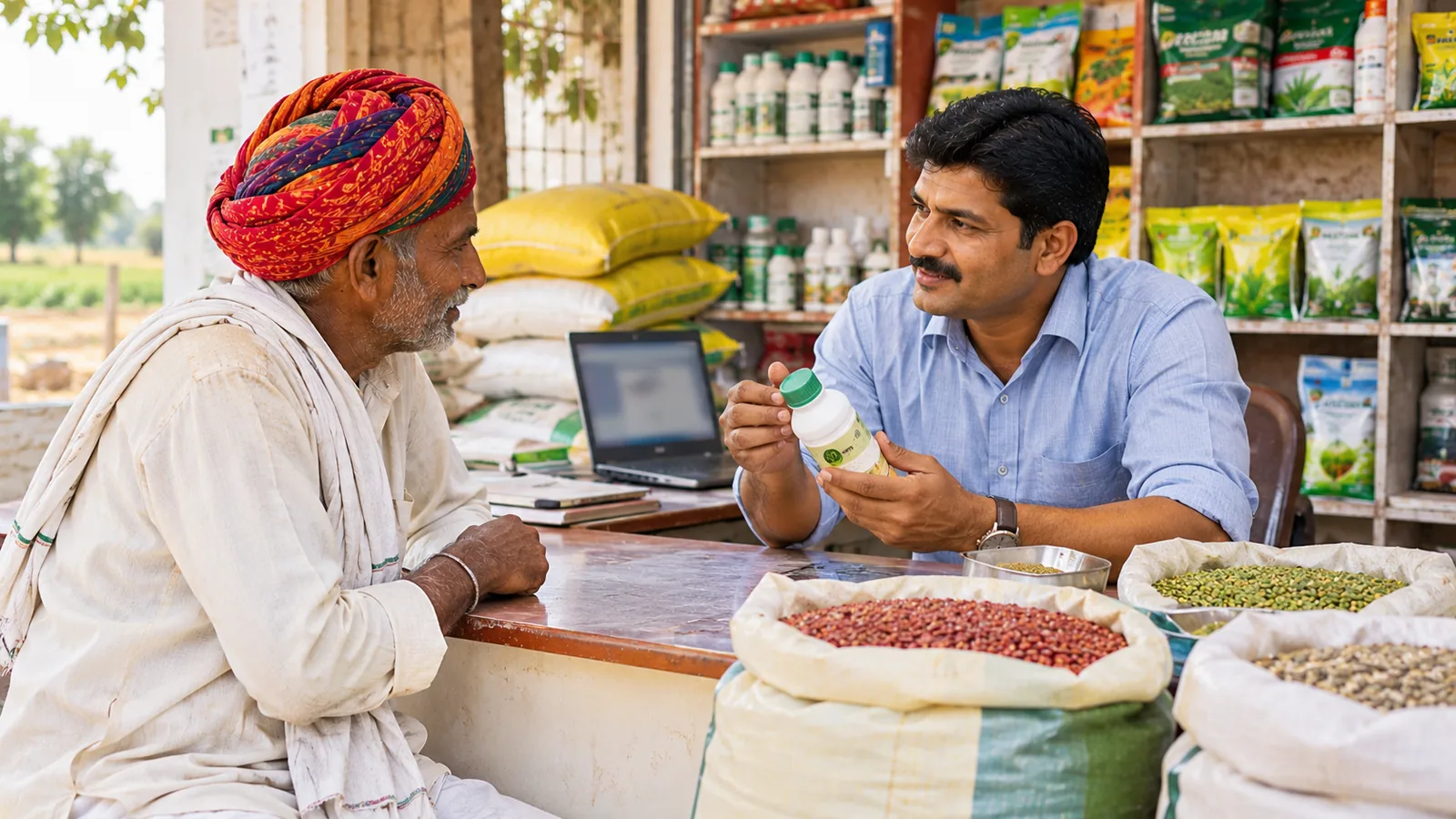
Farming in Rajasthan follows the seasons, from kharif sowing after the monsoon to rabi crops in winter. Seed, fertiliser, irrigation and equipment businesses need to reach farmers at the right time with the right information, and more farmers now use WhatsApp to ask questions and confirm orders.
This post looks at how an agri-input business can keep farmer relationships organised and stay respectful of consent.
Farmer contacts that reflect rural geography
A farmer list is only useful if you can find the right people quickly. Contacts in the CRM can store district, panchayat samiti and gram panchayat, along with tags such as crop ("mustard", "bajra", "cumin"), land type or irrigation method. Filters on these fields let you reach, for example, cumin growers in one block before the sowing window.
Lists collected at village meetings, krishi melas or by field staff can be imported from Excel or CSV, with a preview and a rejected-rows file for numbers that need checking.
Consent first, especially in rural outreach
Farmers may share their number at a meeting without expecting regular messages. Ask clearly whether they want updates on WhatsApp, note where and when they agreed, and record it in the CRM. The platform includes only contacts with recorded consent in marketing campaigns and skips anyone who opted out.
This is both a WhatsApp requirement and good practice under India's data protection law. The opt-in and DPDP guide explains what to record.
Seasonal advisories and stock updates
Useful messages include stock arrival of a seed variety, reminders before the sowing window and invitations to field demonstrations. Each is sent with an approved template, in Hindi where farmers prefer it, to a filtered audience. Campaigns can be scheduled for a convenient time of day and paused if something needs changing. Read Hindi and English WhatsApp support for language tips.
Avoid technical claims you cannot support. Keep advisories factual and point farmers to your agronomist or the local agriculture department for detailed guidance.
Answering farmer questions in one inbox
When farmers reply, conversations land in the shared inbox. The person who knows the answer, whether in the shop or at the depot, can reply, and internal notes record things like "wants drip kit quote, visit on Thursday". If a farmer sends a voice note or asks for a call, staff can follow up by phone and note the outcome against the contact.
Simple keyword rules can answer stock or timing questions, and a "talk to us" button can hand the conversation to staff. See keyword auto-replies with human handoff.
Field staff and dealers working together
Larger agri businesses work through sub-dealers and field officers. Give each person their own sign-in with a role that matches their work, assign farmer conversations to the officer for that area, and use lead stages such as "enquiry", "demo attended" and "purchased" to see where farmers are in the decision.
Working with farmer groups and FPOs
Many farmers in Rajasthan are members of farmer producer organisations, self-help groups or village cooperatives. These groups are natural partners for an agri-input business, but they also create a responsibility: a group leader sharing members' numbers is not the same as each member agreeing to receive your messages. Ask the members themselves, at a meeting or through a short confirmation message, and record consent per person.
Use a tag for the group name so you can see all members together, and assign the group leader's conversation to a senior staff member who manages the relationship. When a group places a combined order, notes on the leader's contact can record quantities and delivery plans, while individual farmers' conversations stay focused on their own questions.
This approach respects each farmer's choice and keeps your list clean, which protects your number's quality when you send seasonal updates to many people at once.
Keeping records through the season
A season brings many small interactions with each farmer. Updating the lead stage and adding a short note after each visit or call builds a record that helps next season, when you can see who bought which variety and who asked for a demonstration but never came.
Getting started
Begin with one district, a clean list and a small set of Hindi templates. Measure how many farmers reply and how many visit the shop, then expand. You can create a company account and start with the CRM while WhatsApp access is reviewed.
Frequently asked questions
Can we filter farmers by village?
Yes. Contacts have district, panchayat samiti and gram panchayat fields, plus tags for crops or other details, and campaigns can be targeted with these filters.
Can we send messages in Hindi?
Yes. Create Hindi templates and submit them for Meta's approval. Your team can also reply in Hindi inside conversations, and the software itself can be used in Hindi.
What if a farmer does not want messages any more?
Mark the contact as opted out, or let an automation rule do it when the farmer sends STOP or a similar word. Opted-out contacts are excluded from future campaigns.
ATTPL CRM & WhatsApp Automation is built in Rajasthan for businesses that serve rural customers. Call toll-free 1800 890 0815 to plan your next season's outreach.