CRM and WhatsApp for Jaipur Handicraft, Jewellery and Textile Sellers
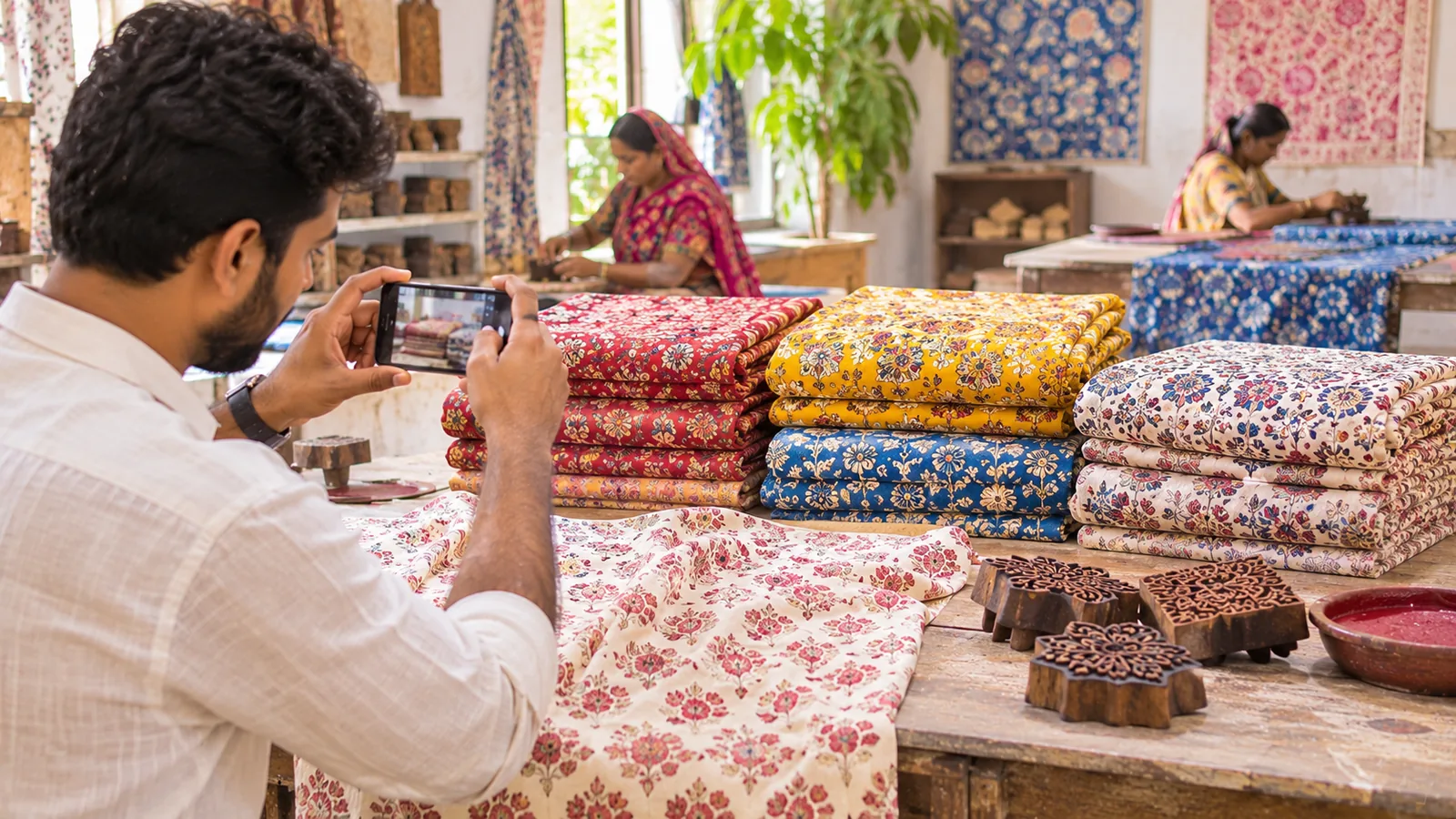
Jaipur's craft economy runs on relationships. Block-printed fabrics from Sanganer and Bagru, blue pottery, gemstones and silver jewellery travel to buyers across India and overseas, and a large share of the conversation with those buyers happens on WhatsApp: photos of new designs, sample requests, order confirmations and dispatch details.
When the business grows, those conversations become hard to manage. Here is how a CRM and the official WhatsApp Business Platform can help a craft business keep its buyers close.
Know who your buyers are
Retail customers, boutique owners, wholesalers and export buyers all want different things. In the CRM, each buyer is a contact with a company name, location fields and tags such as "boutique", "wholesale", "export", "bedsheets" or "silver". Tags make it easy to find, for example, every boutique that bought block-print bedsheets last season.
If your buyer list lives in a spreadsheet today, it can be imported as a CSV or XLSX file. Phone numbers are normalised to the international format during import, which matters when some of your buyers are outside India.
Following up on samples and repeat orders
Lead stages turn a vague list into a pipeline: "new enquiry", "catalogue sent", "sample sent", "order confirmed", "repeat buyer". A buyer who received samples three weeks ago and has gone quiet stands out immediately. Our guide to lead stages for small teams shows how to keep stages simple.
Because WhatsApp limits free-form messages to the 24-hour customer-service window, a follow-up after a few weeks uses an approved template, such as a note that the new season's designs are ready. Once the buyer replies, normal conversation resumes.
Sharing new collections with buyers who asked for them
New collections are the moment to reach many buyers at once. The platform's campaigns send an approved template to an audience you choose with filters such as tags, stage or location, and they include only contacts whose consent to receive messages is recorded. Opted-out contacts are skipped. You can schedule the campaign, pause it if something is wrong, and see delivery statuses in its report.
For the policy background and practical tips, read broadcast campaigns without spam.
Working with buyers abroad
Overseas buyers often message outside Indian working hours. A business-hours rule can acknowledge their message, tell them when the team will reply, and offer buttons such as "Wholesale catalogue" or "Talk to us". If they ask for a person, the conversation goes to the export team. Our post on the WhatsApp Business app versus the Cloud API explains why a shared, API-connected number suits a team serving buyers in several time zones.
Remember that consent and privacy rules in your buyer's country may also apply, so collect clear opt-in for every buyer you add to marketing lists.
Keeping the workshop and the office in sync
Craft businesses often split work between a workshop and an office or showroom. With the shared inbox, the person who knows the order status can answer the buyer directly, and internal notes record decisions such as "colour change approved, dispatch moved to next week". Roles control who can only view conversations and who can launch campaigns.
Exhibitions, fairs and trade shows
Craft businesses meet many new buyers at exhibitions and fairs, in Jaipur and in other cities. These events produce a burst of business cards, scribbled numbers and new WhatsApp chats that are easy to lose once the stall is packed up. A simple habit helps: during the event, note each serious buyer with a tag for the event name, and ask clearly whether they would like to receive new collection updates on WhatsApp.
After the event, import or add those contacts with the consent information you collected, move them to a stage such as "met at fair", and follow up within a few days while the conversation is still fresh. Buyers who did not agree to updates can still be contacted about the specific request they made, but stay out of collection announcements until they say yes.
Where to begin
Pick one number for buyer communication, clean up your buyer list and decide on five or six tags and stages. Prepare a couple of templates, such as "new collection ready" and "order dispatched", and submit them for approval. You can create a company account and start with the CRM while your WhatsApp connection is reviewed.
Frequently asked questions
Can we message buyers outside India?
Yes. Numbers are stored in international format and the Cloud API can message buyers in other countries, subject to Meta's rules, the customer-service window, approved templates and the buyer's consent.
Can we send product photos to buyers?
Inside an open conversation your team can share details and links with the buyer. For messages you start, you use approved templates, which can include variables such as the buyer's name.
Can we export our buyer list later?
Yes. Contacts, including tags, stages and consent details, can be exported to a CSV file at any time. Your data stays yours.
ATTPL CRM & WhatsApp Automation is a Jaipur product for Jaipur's makers and sellers. Call us toll-free on 1800 890 0815 to see how it fits your business.